|
M*Ware Convergent Manager LCI
The M*Ware Convergent Manager Local Craft Interface is an interface to manage equipment by a crafts person located at the site where the equipment is installed.
-
Use your existing interface in the network element for both central element management and local craft support
-
Provide a secure and a powerful local access
-
Use a convergent local craft interface to give your local maintenance staff access to any type of equipment
-
Configure your LCI to support all desired functions, and only these functions
In the earlier stages of equipment development a local craft interface was basically a command interface to manage the equipment by attaching a VT100 terminal and a key board to the device. With the advent of laptop computers local crafts have evolved into bigger applications using a more complex interface (CORBA, HTML, etc) to talk to agents inside the equipment.
The new generation local crafts are able to plug into the local network where the equipment is located. Another difference in the latest generation of local crafts is in managing a group of nodes in a network, that are considered to be local to equipment to which the craft is hooked to.
The local craft interface needs to offer most of the functions of the Element Management system.
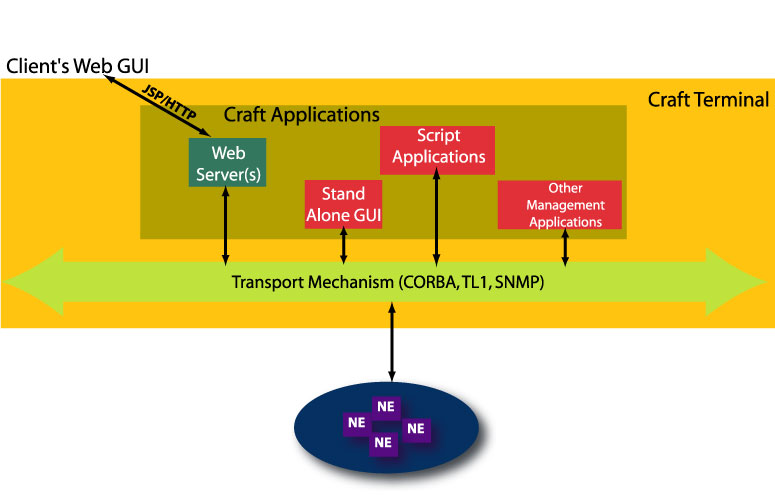
Figure 1. Local Craft Interface Applications
Figure 1 shows local craft interface application for new generation equipment. The following is a brief description of various components.
Craft Terminal: The craft terminal is the computer or portable on which the local craft applications are residing.
Stand Alone GUI: The user interface for accessing information in the agent residing in the network element(s).
Web Based GUI: The user interface screens that are developed or purchased off the shelf which are web based (i.e., run in a browser). These screen allow applications to login and manage the equipment much like the stand alone GUI.
Web Server: This component implements (or provides means for) the conversation between the agent and the web based GUI. All requests originating from the Web Based GUI first reach the Web Server in a text format (usually HTTP). The Web Server translates these requests into the protocol required to talk to the network elements.
Script Applications: These applications provide scripting capabilities so that crafts people can run batch scripts to update or retrieve bulk information from the equipment.
Other Applications: These are other value added applications that are able to diagnose any problems by probing into one or more network elements.
The M*Ware-LCI product provides a very flexible architecture to implement the above mentioned local craft components. It provides several off-the-shelf services and user interfaces that readily integrate with the
|